Showing posts with label Checklists. Show all posts

Thursday, November 5, 2026

Loan Covenant Breached: When to Request a Waiver or Amendment

When a business breaches a financial or operational loan covenant, it should establish the exact clause, measurement period and contractual consequence before asking the bank for relief. A breach does not necessarily accelerate the entire loan automatically, but it should not be ignored.

A cure remedies non-compliance under an applicable contractual mechanism; a waiver excuses a specified right or breach to an agreed extent; an amendment changes future obligations. A concession due to financial difficulty can have restructuring implications under RBI's prudential framework.

A person in a dark jacket holding a pen over printed documents.
Illustrative stock photo by Kampus on Pexels.

By Monei Matters Editorial Desk · Source check: 4 November 2026

Method note: This guide was prepared with research assistance using the official sources listed below. No named human reviewer is claimed.

Understand the actual problem

Identify the covenant category: financial ratio, reporting, insurance/security, restricted additional debt or an operational undertaking. Reproduce the lender's actual formula rather than substituting an accounting metric with the same name. Check notice, materiality and cure periods, and any cross-default provisions.

Evidence-to-issue reconciliation

Verification areaEvidence or question
CovenantOperative agreement and clause
MeasurementRatio formula, inputs, test date and exceptions
BreachVerified factual event or calculation
RemedyActual contractual cure, lender waiver or amendment
AuthoritySigned approval, scope and effective date

Worked illustration: how to approach the decision

Assume the agreement requires DSCR of at least 1.20. Under the hypothetical contractual formula, cash available for debt service is ₹72 lakh and defined debt service is ₹65 lakh: DSCR is about 1.11. The covenant may be breached, but whether that creates an event of default depends on the actual agreement's provisions.

Worked hypothetical only; it does not describe a real borrower, lender or property.

Prepare a focused lender-facing response

Prepare a breach, cure and waiver decision pack explaining the cause, recurrence risk and precise requested accommodation. If the business model permanently changed, consider whether an authorised amendment or formal resolution framework is required, rather than repeatedly seeking one-time waivers.

What should not be assumed

A lender's verbal assurance or pending request is not a waiver. A material payment concession must not be mislabelled an administrative change to evade prudential rules.

Practical next step

Make a one-page brief with the clause, test date, actual result, next test date and your specific request. For a temporary breach, specify the test period and rights the waiver should cover. For a recurring mismatch, show how the proposed amendment would work over the next two tests.

Contact — Monei Matters

Monei Matters

  • Office: B-9, Near City Centre Market, Ramprastha, Ghaziabad, Uttar Pradesh 201011
  • Phone: +91 93138 03227 / +91 93110 03227
  • Website: www.moneimatters.com

Disclaimer: This article provides general educational information about Indian lending and borrower-resolution processes. It is not personalised banking, valuation, accounting, financial, tax or legal advice. The relevant lender category, contractual wording, dates and verified facts may alter the result. No sanction, waiver, reversal, restructuring, settlement, stay, security release or favourable complaint outcome is promised.

Sources

  1. India Code, Indian Contract Act, 1872.
  2. RBI, Commercial Banks – Resolution of Stressed Assets Directions, 2025.
  3. RBI, Commercial Banks – Responsible Business Conduct Directions, 2025 (as updated 1 October 2026).

Two Banks, One Working Capital Cycle: Fixing Conflicting Covenants

Two lenders financing the same business can impose conflicting cash-routing, additional borrowing, reporting or security covenants. The borrower should identify which obligations can be performed together and which genuinely cannot be satisfied without lender consent or amendment.

Different arrangements—multiple banking, consortium and syndication—have different contractual coordination mechanisms. Company charge registration and contract-law rules may be relevant to changes in security; one lender's approval does not automatically amend another lender's agreement.

Open laptops with headsets lined up on a wooden conference table.
Illustrative stock photo by Mart Production on Pexels.

By Monei Matters Editorial Desk · Source check: 4 November 2026

Method note: This guide was prepared with research assistance using the official sources listed below. No named human reviewer is claimed.

Understand the actual problem

Prepare a two-lender matrix comparing every operative clause, affected receipt or asset, effective date and required approval. A different reporting date is ordinarily just additional administration; two exclusive claims over the same customer receipt may be an actual conflict. Charge ranking, pari passu security and cross-default provisions must be read from executed documents.

Evidence-to-issue reconciliation

Verification areaEvidence or question
Contract AExact clause, covenant and credit facility
Contract BPotentially overlapping or incompatible obligation
Cash mappingCustomer receipts and routing conditions
SecurityFirst/second or shared charge and registration details
ConsentAuthorised approvals, amendments and effective dates

Worked illustration: how to approach the decision

Suppose Bank A requires all receipts from Customer X through its cash-credit account, while Bank B's separate funding agreement requires the same receipts through a controlled collection account. The borrower cannot resolve that genuine overlap by secretly routing receipts to whichever bank is more demanding. It needs a documented arrangement acceptable under both contracts.

Worked hypothetical only; it does not describe a real borrower, lender or property.

Prepare a focused lender-facing response

Provide each lender with a factual conflict summary and propose a lawful coordinated routing or security amendment. Keep confidential financing information within lawful disclosure limits. Obtain professional review before changing registered charges or executing documents that affect ranking.

What should not be assumed

An ordinary covenant conflict is not automatically a prudential restructuring. Also, satisfying one contract's covenant may still leave a breach under the other lender's separate facility.

Practical next step

Before the next collection date, mark each affected receipt as compatible, incompatible, or awaiting confirmation. Assign one person to obtain written consent from both lenders where required and record who can approve the change and when it takes effect. Share only the documents each lender is entitled to receive.

Contact — Monei Matters

Monei Matters

  • Office: B-9, Near City Centre Market, Ramprastha, Ghaziabad, Uttar Pradesh 201011
  • Phone: +91 93138 03227 / +91 93110 03227
  • Website: www.moneimatters.com

Disclaimer: This article provides general educational information about Indian lending and borrower-resolution processes. It is not personalised banking, valuation, accounting, financial, tax or legal advice. The relevant lender category, contractual wording, dates and verified facts may alter the result. No sanction, waiver, reversal, restructuring, settlement, stay, security release or favourable complaint outcome is promised.

Sources

  1. RBI, Commercial Banks – Credit Facilities Directions, 2025.
  2. India Code, Companies Act, 2013.
  3. India Code, Indian Contract Act, 1872.
  4. RBI, Commercial Banks – Resolution of Stressed Assets Directions, 2025.

Wednesday, November 4, 2026

Letter of Credit Devolvement: Preparing the Borrower's Response

A letter of credit can devolve into a funded bank exposure when the issuing bank honours a complying presentation but the applicant does not reimburse it as agreed. A buyer's complaint about goods does not automatically extinguish the bank's separate documentary-payment obligation.

The application, issued LC, any incorporated UCP 600 rules, documentary presentation and applicant reimbursement terms control the relationship. RBI import and credit instructions may also apply, but foreign-trade permissions and exchange-control questions require transaction-specific review.

By Monei Matters Editorial Desk · Source check: 28 October 2026

Method note: This guide was prepared with research assistance using the official sources listed below. No named human reviewer is claimed.

Rows of shipping containers and orange cranes at a port terminal.
Illustrative stock photograph by Bilal Ahmed on Pexels

Understand the actual problem

Separate the stages of issuance, shipment, document presentation, discrepancy review, honour or acceptance, reimbursement due date and funded exposure. Sight and usance credits have different timing. Determine whether a documentary discrepancy was identified within the applicable process and whether it was waived by the applicant.

Evidence-to-issue reconciliation

Verification area Evidence or question
Issued LC Amount, expiry, shipment terms and UCP incorporation
Documents Presented invoice, transport and other required documents
Discrepancies Actual notices, waivers and bank decisions
Honour Whether and when issuing bank paid or accepted
Reimbursement Applicant's contractual debit and unpaid amount

Worked illustration: how to approach the decision

Assume a ₹40 lakh import LC is honoured following a document presentation. The importer then alleges damaged goods and cannot reimburse on the due date. A commercial claim against the supplier may exist, but that does not by itself prove that the bank's payment or reimbursement claim was improper. The two relationships must be mapped independently.

Worked hypothetical only; it does not describe a real borrower, lender or property.

Prepare a focused lender-facing response

Create a documentary-event chronology with issuing and negotiating bank messages, copies of presented documents, discrepancy notices, freight and delivery evidence, and the bank's reimbursement calculation. Seek immediate written clarification of the actual devolved amount and current facility treatment.

What should not be assumed

UCP 600 should only be invoked if incorporated; its rules are not a blanket solution to every Indian bank-credit dispute. Do not reproduce confidential trade documents or assume that contract-quality disputes automatically prevent an LC payment.

Practical next step

Contact — Monei Matters

Monei Matters

  • Office: B-9, Near City Centre Market, Ramprastha, Ghaziabad, Uttar Pradesh 201011
  • Phone: +91 93138 03227 / +91 93110 03227
  • Website: www.moneimatters.com

Disclaimer: This article provides general educational information about Indian lending and borrower-resolution processes. It is not personalised banking, valuation, accounting, financial, tax or legal advice. The relevant lender category, contractual wording, dates and verified facts may alter the result. No sanction, waiver, reversal, restructuring, settlement, stay, security release or favourable complaint outcome is promised.

Sources

  1. RBI, Commercial Banks – Credit Facilities Directions, 2025.
  2. RBI, Commercial Banks – IRACP Directions, 2025.
  3. India Code, Indian Contract Act, 1872.

Tuesday, November 3, 2026

Discounted Invoice Unpaid: Trace the Liability and Evidence

When a discounted invoice remains unpaid, determine whether the bank purchased the bill with recourse to the supplier or accepted the relevant debtor risk under a different arrangement. The buyer's nonpayment does not automatically transfer every loss to the financier.

The controlling documents include the bill purchase or discounting agreement, negotiable-instrument terms where applicable, factoring arrangement and debtor acceptance. Rights under the Negotiable Instruments Act or Factoring Regulation Act must not be inferred from the invoice label alone.

By Monei Matters Editorial Desk · Source check: 28 October 2026

Method note: This guide was prepared with research assistance using the official sources listed below. No named human reviewer is claimed.

Black-and-white aerial view of warehouse buildings and parked vehicles.
Illustrative stock photograph by Altaf Shah on Pexels

Understand the actual problem

Track goods delivery, buyer acceptance, discounting advance, original due date, dishonour or delayed payment notice, recourse provisions and any debit passed to the supplier's account. A 'without recourse' description requires actual contractual and legal examination; fraud, dispute and other exceptions may matter.

Evidence-to-issue reconciliation

Verification area Evidence or question
Supplier contract Original order, invoice and accepted delivery
Financing terms Discounting, purchase or factoring agreement and recourse clause
Buyer obligation Acceptance, maturity, quality dispute and payment record
Financier transaction Advance paid, charges and any reversal/recourse debit
Notice Required notice of dishonour or default, where legally applicable

Worked illustration: how to approach the decision

Suppose a supplier discounts a ₹10 lakh bill and receives ₹9.7 lakh after a ₹30,000 discount charge. The buyer fails to pay at maturity. The bank's right to debit the supplier cannot be resolved from the ₹9.7 lakh receipt alone: it depends on the discounting and recourse terms, buyer dispute, and applicable law.

Worked hypothetical only; it does not describe a real borrower, lender or property.

Prepare a focused lender-facing response

Prepare a three-party invoice-payment map with the supply contract, bill/invoice, financing terms and bank debit. Ask the bank to explain the clause authorising recourse and reconcile any recovery. If the buyer disputes the goods, preserve original quality/acceptance evidence rather than quietly replacing the invoice.

What should not be assumed

Invoice eligibility in cash-credit drawing power is a different issue from liability after an invoice is financed. A bank debit arising from recourse should not be disguised as an ordinary debtor ageing adjustment.

Practical next step

Contact — Monei Matters

Monei Matters

  • Office: B-9, Near City Centre Market, Ramprastha, Ghaziabad, Uttar Pradesh 201011
  • Phone: +91 93138 03227 / +91 93110 03227
  • Website: www.moneimatters.com

Disclaimer: This article provides general educational information about Indian lending and borrower-resolution processes. It is not personalised banking, valuation, accounting, financial, tax or legal advice. The relevant lender category, contractual wording, dates and verified facts may alter the result. No sanction, waiver, reversal, restructuring, settlement, stay, security release or favourable complaint outcome is promised.

Sources

  1. RBI, Commercial Banks – Credit Facilities Directions, 2025.
  2. India Code, Indian Contract Act, 1872.
  3. India Code, Factoring Regulation Act, 2011.

Unexpected Penal Charges in a Loan Account: Audit the Debit

Unexpected charges in a loan account should be tested against the agreement, disclosed tariff, actual non-compliance and current RBI conduct requirements. A charge should not be treated as valid merely because the bank's system posted it, or invalid merely because the borrower did not anticipate it.

RBI's penal-charge framework generally requires penalties for specified loan non-compliance to be levied as penal charges rather than additional penal interest, with applicable disclosure, reasonableness and non-capitalisation requirements. Ordinary contractual interest on outstanding principal is a separate matter.

By Monei Matters Editorial Desk · Source check: 28 October 2026

Method note: This guide was prepared with research assistance using the official sources listed below. No named human reviewer is claimed.

A printed balance sheet next to a keyboard and an open green folder.
Illustrative stock photograph by Pavel Danilyuk on Pexels

Understand the actual problem

Reconstruct each debit by date, type, contract clause, triggering event and calculation. Separate ordinary interest, penal charges, service fees and reversals. The prohibition on capitalising penal charges should not be misread as a prohibition on all interest or all permitted charges.

Evidence-to-issue reconciliation

Verification area Evidence or question
Debit reference Narration, value date and amount
Cause Actual loan condition allegedly breached
Legal basis Agreement, key fact statement or applicable published policy
Interest treatment Whether further interest was calculated on penal charges
Communication Lender notice and subsequent explanation

Worked illustration: how to approach the decision

Assume ₹9,000 is labelled a penal charge and the next month's computation includes interest on the combined loan principal and the penal charge. The borrower should isolate the penal charge and determine whether it was improperly capitalised. The calculation should not automatically challenge ordinary interest on the unpaid principal.

Worked hypothetical only; it does not describe a real borrower, lender or property.

Prepare a focused lender-facing response

Build a charge-by-charge verification schedule and ask the bank to identify the contractual trigger, published quantum and any subsequent interest treatment. Request correction of specific unsupported amounts with dated evidence.

What should not be assumed

Taxes, regulatory exceptions and loan categories can affect treatment. Do not assume that every fee is a penal charge or that a penal-charge dispute cancels scheduled instalments.

Practical next step

Contact — Monei Matters

Monei Matters

  • Office: B-9, Near City Centre Market, Ramprastha, Ghaziabad, Uttar Pradesh 201011
  • Phone: +91 93138 03227 / +91 93110 03227
  • Website: www.moneimatters.com

Disclaimer: This article provides general educational information about Indian lending and borrower-resolution processes. It is not personalised banking, valuation, accounting, financial, tax or legal advice. The relevant lender category, contractual wording, dates and verified facts may alter the result. No sanction, waiver, reversal, restructuring, settlement, stay, security release or favourable complaint outcome is promised.

Sources

  1. RBI, Commercial Banks – Responsible Business Conduct Directions, 2025 (as updated 1 October 2026).
  2. India Code, Indian Contract Act, 1872.
  3. RBI, Commercial Banks – IRACP Directions, 2025.

Monday, November 2, 2026

Book Debts Rejected by the Bank: Investigating Ineligible Receivables

Book debts may be excluded from cash-credit drawing power because they are aged, disputed, already assigned, unaccepted or otherwise ineligible under the sanction. The business should trace each excluded debtor to the underlying invoice and contractual borrowing-base rule.

RBI credit-facility requirements and the lender's sanctioned margin methodology distinguish gross sales debtors from eligible receivables. A receivable recorded in the financial accounts is not necessarily bank-eligible collateral.

By Monei Matters Editorial Desk · Source check: 28 October 2026

Method note: This guide was prepared with research assistance using the official sources listed below. No named human reviewer is claimed.

A phone showing a calculator beside printed accounting and business summary sheets.
Illustrative stock photograph by Artempodrez on Pexels

Understand the actual problem

Use an invoice waterfall: begin with gross debtor balances; remove balances exceeding the permitted age, disputed invoices, related-party or assigned exposures where excluded, and other sanction-specific ineligible items. Then apply the prescribed debtor margin. Preserve customer acceptance, delivery, credit notes and subsequent receipt evidence.

Evidence-to-issue reconciliation

Verification area Evidence or question
Debtor identity Customer ledger and verified invoice numbers
Ageing Invoice and due dates compared with eligibility cut-off
Disputes Returned goods, quality claims, credit notes
Assignments Factored, discounted or already charged receivables
Margin Sanctioned margin applied after exclusions

Worked illustration: how to approach the decision

Assume gross receivables are ₹25 lakh. After excluding ₹5 lakh overdue, ₹4 lakh disputed and ₹4 lakh ineligible for other supported reasons, ₹12 lakh remains eligible. With an illustrative 25% margin, receivable-based drawing power is ₹9 lakh. The result does not establish the full account drawing power without stock and other components.

Worked hypothetical only; it does not describe a real borrower, lender or property.

Prepare a focused lender-facing response

Prepare a debtor-by-debtor exception schedule and submit underlying acceptance and payment evidence for genuinely eligible invoices. If a buyer disputes quality, resolve that commercial issue separately rather than merely requesting the bank to ignore the dispute.

What should not be assumed

An invoice assigned or financed elsewhere should not be presented as unrestricted collateral twice. And a sales invoice is not by itself proof of an undisputed collectible debt.

Practical next step

Contact — Monei Matters

Monei Matters

  • Office: B-9, Near City Centre Market, Ramprastha, Ghaziabad, Uttar Pradesh 201011
  • Phone: +91 93138 03227 / +91 93110 03227
  • Website: www.moneimatters.com

Disclaimer: This article provides general educational information about Indian lending and borrower-resolution processes. It is not personalised banking, valuation, accounting, financial, tax or legal advice. The relevant lender category, contractual wording, dates and verified facts may alter the result. No sanction, waiver, reversal, restructuring, settlement, stay, security release or favourable complaint outcome is promised.

Sources

  1. RBI, Commercial Banks – Credit Facilities Directions, 2025.
  2. RBI, Commercial Banks – Credit Risk Management Directions, 2025.
  3. India Code, Indian Contract Act, 1872.

Loan Against Shares Margin Call: Understanding the Borrower's Choices

A loan secured by pledged shares can trigger a margin call when the eligible collateral value falls or the loan balance rises relative to the permitted loan-to-value ratio. The borrower should verify the operative margin calculation before choosing how to respond.

Bank and NBFC share-backed credit may be subject to different regulatory limits and facility conditions. For covered commercial-bank facilities, the current credit directions include specified share-collateral LTV requirements; other lender categories require their corresponding instructions.

By Monei Matters Editorial Desk · Source check: 28 October 2026

Method note: This guide was prepared with research assistance using the official sources listed below. No named human reviewer is claimed.

Close-up of a stock-market monitor showing share-price numbers and trading data.
Illustrative stock photograph by Pixabay on Pexels

Understand the actual problem

Check the pledged securities, valuation date, eligible market price, applicable haircut, borrowing balance and contractual cure window. A decrease in stock-market price can create a margin deficit without the borrower having missed a scheduled payment. A restriction on sale or a forced invocation depends on security documents and applicable processes.

Evidence-to-issue reconciliation

Verification area Evidence or question
Portfolio Pledged quantity and eligible security identification
Valuation Market price, permissible recognition and haircut
Exposure Principal, accrued interest and other secured sums
Threshold Contractual and regulatory LTV requirement
Remedies Payment, additional eligible collateral, other authorised actions

Worked illustration: how to approach the decision

Assume a loan of ₹12 lakh is secured by an eligible share portfolio now worth ₹18 lakh and the applicable permissible LTV is 60%. The maximum exposure under that assumption is ₹10.8 lakh, indicating a ₹1.2 lakh shortfall. If the alternative is to add collateral, its recognised value and eligibility must be calculated under the actual facility, not guessed.

Worked hypothetical only; it does not describe a real borrower, lender or property.

Prepare a focused lender-facing response

Request the bank's dated calculation and exact cure terms. Compare paying down exposure with adding eligible securities, but evaluate liquidity, concentration and further price declines. Obtain written confirmation before treating any replacement security as acceptable.

What should not be assumed

A loan-to-value example is not a market forecast. Do not promise that offering more shares or waiting for a price recovery will avert a contractually permitted lender response.

Practical next step

Contact — Monei Matters

Monei Matters

  • Office: B-9, Near City Centre Market, Ramprastha, Ghaziabad, Uttar Pradesh 201011
  • Phone: +91 93138 03227 / +91 93110 03227
  • Website: www.moneimatters.com

Disclaimer: This article provides general educational information about Indian lending and borrower-resolution processes. It is not personalised banking, valuation, accounting, financial, tax or legal advice. The relevant lender category, contractual wording, dates and verified facts may alter the result. No sanction, waiver, reversal, restructuring, settlement, stay, security release or favourable complaint outcome is promised.

Sources

  1. RBI, Commercial Banks – Credit Facilities Directions, 2025.
  2. RBI, Commercial Banks – Responsible Business Conduct Directions, 2025 (as updated 1 October 2026).

Working Capital Renewal Pending: Build a Bank-Ready Review Pack

Working capital renewal may remain pending because a lender has not received a complete, reconciled view of trading performance, stock, receivables, repayment conduct or required corporate approvals. The immediate task is to identify the missing renewal input and its decision owner.

Renewal is a fresh or continuing credit decision under the operative facility and bank policy. It should not be confused with an unconditional right to extend the original sanction. RBI commercial-bank credit directions provide relevant prudential context.

By Monei Matters Editorial Desk · Source check: 28 October 2026

Method note: This guide was prepared with research assistance using the official sources listed below. No named human reviewer is claimed.

Bundles of gray metal sections with blue and yellow ends stacked in an outdoor storage yard.
Illustrative stock photograph by Michael Orshan on Pexels

Understand the actual problem

Organise the review pack around business performance, existing exposure, collateral, statutory compliance and proposed need. Compare actual sales, expected turnover and bank credits rather than simply projecting annual growth. Reconcile stock and debtor statements with the financial accounts. Identify major account irregularities and explain them with evidence. A renewed limit may be lower or subject to modified terms.

Evidence-to-issue reconciliation

Verification area Evidence or question
Performance Current and prior financial statements plus management accounts
Operations Sales orders, production and capacity, receivable collection
Borrowing base Latest stock/debtors and DP calculation
Account conduct Daily or monthly utilisation, overdrawing and interest service
Documentation KYC, insurance, charge records, board resolutions, sanction compliance

Worked illustration: how to approach the decision

Suppose a company requests renewal of a ₹70 lakh cash-credit limit on an anticipated ₹6 crore turnover. Its actual sales have declined and 40% of debtors are older than the facility's eligible ageing threshold. An optimistic turnover projection without a collection plan does not resolve the lender's concerns. The pack should explain both the past shortfall and credible future funding need.

Worked hypothetical only; it does not describe a real borrower, lender or property.

Prepare a focused lender-facing response

Request one consolidated deficiency list and maintain a submission log with dates and acknowledgements. Where an existing sanction expires while renewal is pending, separately clarify permissible operations and repayment obligations. Do not rely on a relationship manager's informal statement that the previous limit is automatically extended.

What should not be assumed

Late financial statements can be a service/administrative issue while deteriorating cash generation is a substantive credit risk. Correcting the former does not necessarily make the requested renewed limit viable.

Practical next step

Contact — Monei Matters

Monei Matters

  • Office: B-9, Near City Centre Market, Ramprastha, Ghaziabad, Uttar Pradesh 201011
  • Phone: +91 93138 03227 / +91 93110 03227
  • Website: www.moneimatters.com

Disclaimer: This article provides general educational information about Indian lending and borrower-resolution processes. It is not personalised banking, valuation, accounting, financial, tax or legal advice. The relevant lender category, contractual wording, dates and verified facts may alter the result. No sanction, waiver, reversal, restructuring, settlement, stay, security release or favourable complaint outcome is promised.

Sources

  1. RBI, Commercial Banks – Credit Facilities Directions, 2025.
  2. RBI, Commercial Banks – Credit Risk Management Directions, 2025.
  3. RBI, Commercial Banks – Responsible Business Conduct Directions, 2025 (as updated 1 October 2026).

Saturday, October 31, 2026

Stock Audit Finds a Shortfall: Separate Valuation Error from Real Exposure

A stock audit shortfall does not always mean that goods are missing. The difference can arise from quantity counts, valuation rates, ownership restrictions, obsolete inventory, transit classification or reconciliations between physical and accounting records.

Stock is examined under the sanctioned borrowing-base method and lender's security requirements. A stock auditor's observation should be tested against primary records rather than rejected or admitted in general terms.

Ceiling with exposed pipes, rows of fluorescent lights and part of a yellow overhead beam.
Illustrative stock photograph: Adrien Olichon / Pexels. The photograph does not depict the transaction or process discussed.

By Monei Matters Editorial Desk · Source check: 30 October 2026

Method note: This guide was prepared with research assistance using the official sources listed below. No named human reviewer is claimed.

Understand the actual problem

Split variances into quantity, price, cut-off, eligibility and documentation categories. Identify whether goods were dispatched before the stock statement date, held at a third-party location, subject to unpaid supplier claims or counted twice. Verify whether production work-in-progress was valued consistently with the contractual rules.

Evidence-to-issue reconciliation

Verification area Evidence or question
Physical count Stock sheets, bin cards, independent recount
Valuation basis Costing policy, raw-material rates and write-downs
Movement cut-off Gate passes, dispatch notes, goods received entries
Security eligibility Ownership, liens, supplier claims, obsolescence
Borrowing impact Revised eligible stock, margin and drawing power

Worked illustration: how to approach the decision

Assume a business reports ₹80 lakh in stock while an audit calculates ₹68 lakh. A ₹12 lakh difference may include ₹4 lakh obsolete goods, ₹3 lakh dispatched before cut-off but not posted, and ₹5 lakh price differences. Each component has a different remedy. Calling the full ₹12 lakh a stock theft would be unsupported.

Worked hypothetical only; it does not describe a real borrower, lender or property.

Prepare a focused lender-facing response

Prepare an item-by-item variance and evidence table, with links to gate records, invoices and valuation workings. Present the bank with accepted discrepancies, disputed amounts and a corrected borrowing-base calculation. Where shrinkage is real, disclose it and plan remediation.

What should not be assumed

A revised stock value does not automatically increase drawing power if debtor balances or margins also change. Do not alter historic inventory counts or create retroactive dispatch records to make the audit appear consistent.

Practical next step

Create a variance bridge with five columns: reported amount, auditor's amount, difference category, supporting record and agreed treatment. Start from the same date and scope before comparing totals. Then carry only accepted eligible values into a separate drawing-power calculation; the drawing-power reconciliation guide explains why a stock correction alone does not determine available borrowing.

Work the variance before choosing a remedy

For the ₹12 lakh hypothetical difference above, keep the ₹4 lakh obsolete goods, ₹3 lakh dispatch cut-off and ₹5 lakh price difference on separate lines. The ₹4 lakh may require a genuine write-down or eligibility adjustment. The dispatch item needs dated movement evidence. The price item needs a consistent costing basis and the bank's accepted valuation method.

If a recount establishes an additional physical shortage, add it as a new explained line rather than hiding it in valuation. Record who accepted each treatment and the date. Do not offset a supported adverse adjustment against a hoped-for favourable adjustment before the latter has been verified. This makes the bridge useful to the bank, accountant and auditor without claiming that any disputed amount is approved collateral.

Monei Matters · www.moneimatters.com

Disclaimer: This article provides general educational information about Indian lending and borrower-resolution processes. It is not personalised banking, valuation, accounting, financial, tax or legal advice. The relevant lender category, contractual wording, dates and verified facts may alter the result. No sanction, waiver, reversal, restructuring, settlement, stay, security release or favourable complaint outcome is promised.

Sources

  1. RBI, Commercial Banks – Credit Facilities Directions, 2025.
  2. RBI, Commercial Banks – Credit Risk Management Directions, 2025.
  3. RBI, Commercial Banks – IRACP Directions, 2025.

Friday, October 30, 2026

Home Loan Closed but Property Papers Not Returned: What to Check

After full repayment of an eligible housing loan, original property documents should be returned and applicable registered charges removed within the regulatory period. A borrower should verify the actual loan closure date, document inventory and the institution's discharge steps.

The RBI responsible business conduct framework includes requirements to release all original movable/immovable property documents and remove registered charges within 30 days of full repayment or settlement of eligible personal loans. Where delay is attributable to the regulated entity, compensation provisions may apply, including ₹5,000 per day under the applicable conditions.

Weathered multi-storey building facade with rows of windows and exterior air-conditioning units.
Illustrative stock photograph: Shantum Singh / Pexels. The photograph does not depict the transaction or process discussed.

By Monei Matters Editorial Desk · Source check: 30 October 2026

Method note: This guide was prepared with research assistance using the official sources listed below. No named human reviewer is claimed.

Understand the actual problem

Separate three issues: whether every secured obligation has been discharged, whether the bank actually holds the original deeds, and whether security registrations have been satisfied. The borrower should request the original custody list, not just ask for 'the property papers'. If deeds are lost or damaged, the RBI framework prescribes specific assistance and timing obligations subject to its terms.

Evidence-to-issue reconciliation

Verification area Evidence or question
Closure date Dated loan statement and full-repayment confirmation
Document custody Inventory of original title deeds and other security papers
Return appointment Bank's proposed location, date and recipient authority
Registry actions Mortgage/CERSAI or other relevant discharge evidence
Delay causation Communications showing bank responsibility and applicable compensation position

Worked illustration: how to approach the decision

Assume an eligible personal home loan was fully repaid on 1 September, and the lender has not returned the listed deeds by 10 October. The borrower should confirm when full repayment was actually recognised, which originals are outstanding and whether any separate secured facility exists. Counting days from an earlier payment instruction can be incorrect.

Worked hypothetical only; it does not describe a real borrower, lender or property.

Prepare a focused lender-facing response

Send a precise request referencing the RBI property-document release provisions. Attach the closure proof and document list; seek written delivery status, registered-charge removal evidence and an explanation of any delay. Keep original custody handover acknowledgements when documents are finally received.

What should not be assumed

The 30-day and compensation rules have an eligibility and responsibility scope. Do not apply them automatically to every commercial corporate mortgage, and do not assume possession of a no-dues certificate alone clears every public registry.

Practical next step

Build a three-part closure pack: the repayment confirmation, a document-by-document return list and a registry-discharge checklist. Use the Resolution Guides hub to organise the submission, and keep an acknowledged copy.

Decide which delay you are documenting

Observed position Next evidence to obtain What it establishes
Bank disputes full repayment Closure statement and explanation of the remaining secured amount Whether the release clock has actually started
Closure accepted; originals remain in custody Itemised custody list and promised handover date Exactly which documents remain outstanding
Originals returned; registry charge remains Satisfaction filing receipt and current registry status The separate discharge step still requiring completion
Bank reports loss or damage Written incident confirmation and duplicate-copy assistance plan Whether the special replacement process applies

The RBI release directions apply to cases where document release falls due on or after 1 December 2023. For lost or damaged originals, the specified replacement process allows a further 30 days before the delayed-period calculation, giving 60 days in total. Record the bank's explanation before applying the ordinary-delay calculation. These are separate factual routes, not interchangeable compensation claims.

Monei Matters · www.moneimatters.com

Disclaimer: This article provides general educational information about Indian lending and borrower-resolution processes. It is not personalised banking, valuation, accounting, financial, tax or legal advice. The relevant lender category, contractual wording, dates and verified facts may alter the result. No sanction, waiver, reversal, restructuring, settlement, stay, security release or favourable complaint outcome is promised.

Sources

  1. RBI, Commercial Banks – Responsible Business Conduct Directions, 2025 (as updated 1 October 2026).
  2. RBI, Responsible Lending Conduct — Release of Movable / Immovable Property Documents, 13 September 2023.

Thursday, October 29, 2026

Cash Credit Drawing Power Reduced: Reconcile Stock, Debtors and Margin

A bank's cash credit drawing power can fall even when the sanctioned limit has not changed. Drawing power is calculated from eligible stock and receivables after applying the lender's stipulated exclusions and margins.

Check the operative sanction and drawing-power methodology before challenging a reduction. RBI credit-facility requirements and bank policy distinguish the sanctioned ceiling from drawing power actually supported by acceptable current assets.

Aerial view of adjoining warehouse roofs, illustrating the operating assets behind a working-capital facility.
Illustrative stock photo: Tom Fisk / Pexels.

By Monei Matters Editorial Desk · Source check: 28 October 2026

Method note: This guide was prepared with research assistance using the official sources listed below. No named human reviewer is claimed.

Understand the actual problem

Reconstruct eligible inventory by removing excluded, obsolete, unpaid or otherwise ineligible items as applicable. Then reconcile eligible book debts by ageing, disputed amounts and assignments. Apply the contractual margins separately to each class. A rise in sales does not automatically raise drawing power when customer collections are overdue or inventory values have been restated.

Evidence-to-issue reconciliation

Verification area Evidence or question
Limit versus drawing power Sanction amount, effective DP and date of each revision
Eligible stock Physical stock register, stock statement, valuation method and exclusions
Receivables Debtor ageing, invoice acceptance, related-party balances and ineligible debts
Margins Contractual margin percentages and any sanctioned temporary adjustments
Operational effect Day-end outstanding and amount of any excess

Worked illustration: how to approach the decision

Suppose eligible stock is ₹40 lakh with 25% margin and eligible receivables ₹20 lakh with 40% margin. Illustrative drawing power is ₹30 lakh plus ₹12 lakh, or ₹42 lakh. If the borrower uses an outdated statement reporting higher receivables, its own DP calculation can differ substantially without either party having changed the ₹60 lakh sanction.

Worked hypothetical only; it does not describe a real borrower, lender or property.

Prepare a focused lender-facing response

Prepare a DP component bridge from the last accepted statement to the revised one. Identify actual stock quantity errors, price disagreements and debtor exclusions separately. Ask the bank to correct supported input errors, but do not treat a disputed valuation as automatically approved collateral.

What should not be assumed

Stock audit discrepancies, invoice eligibility and the bank's sanctioned margin are distinct. Do not double count a receivable already excluded or assume the bank must recognise book values without checking the facility conditions.

Practical next step

Reconcile the last accepted drawing-power statement with the revised one, showing each stock, debtor and margin adjustment. If the lower ceiling has already caused excess utilisation, use the SMA borrower action map to prepare the next lender discussion.

Monei Matters · www.moneimatters.com

Disclaimer: This article provides general educational information about Indian lending and borrower-resolution processes. It is not personalised banking, valuation, accounting, financial, tax or legal advice. The relevant lender category, contractual wording, dates and verified facts may alter the result. No sanction, waiver, reversal, restructuring, settlement, stay, security release or favourable complaint outcome is promised.

Sources

  1. RBI, Commercial Banks – Credit Facilities Directions, 2025.
  2. RBI, Commercial Banks – IRACP Directions, 2025.
  3. RBI, Commercial Banks – Credit Risk Management Directions, 2025.

Business Loan Sanctioned but Not Disbursed: Finding the Actual Blocker

A sanctioned business loan can remain undisbursed because approval of credit is not the same as fulfilment of every condition required before the bank releases money. The borrower should find the precise pending condition instead of assuming the lender has cancelled the sanction.

The operative sanction, executed documents and lender's credit policies determine the steps required for disbursement. RBI's commercial-bank credit directions and responsible-conduct directions supply regulatory context, but an ordinary sanction does not create an unconditional right to immediate funding.

Industrial building under construction with earthmoving machinery in the foreground.
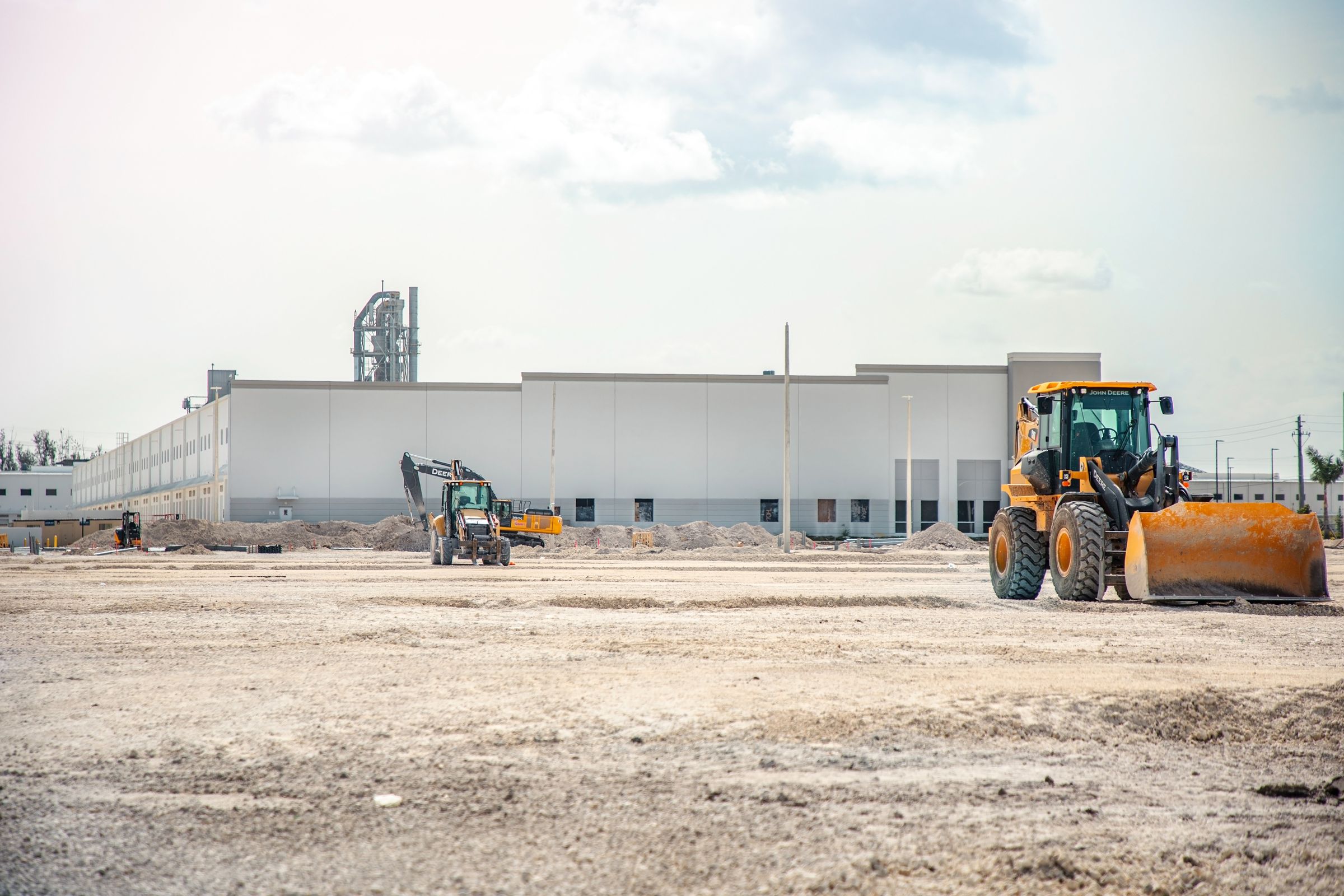
Illustrative stock photo: Bluerhinomedia / Pexels.

By Monei Matters Editorial Desk · Source check: 28 October 2026

Method note: This guide was prepared with research assistance using the official sources listed below. No named human reviewer is claimed.

Understand the actual problem

Distinguish five gates: sanction acceptance, execution of loan and security documents, satisfaction of borrower conditions, fulfilment of legal/title and registration steps, and final disbursement authorisation. A factory promoter may have paid a machinery supplier's advance while the bank still awaits a lender-acceptable invoice or margin evidence. Ask which gate is actually incomplete and whether all other gates are cleared.

Evidence-to-issue reconciliation

Verification area Evidence or question
Sanction validity Accepted sanction, expiry, permitted purpose and any remaining borrower contribution
Security Mortgage or hypothecation documents, valuation, insurance and registered-charge position
Legal compliance Company authorisations, title opinions, KYC and conditions precedent
Disbursement proof Vendor invoice, borrower's margin, payment instructions and bank's pending-item list
Decision ownership Department that must approve release and whether any fresh credit decision is needed

Worked illustration: how to approach the decision

Assume a manufacturer has a ₹1.2 crore term-loan sanction, but its promoter must first contribute ₹30 lakh and mortgage an identified property. The promoter has deposited ₹30 lakh, while the bank identifies an unresolved boundary discrepancy. The margin condition may be complete while the mortgage gate is not. A claim that the bank is unlawfully withholding ₹1.2 crore would overlook the separate dependency.

Worked hypothetical only; it does not describe a real borrower, lender or property.

Prepare a focused lender-facing response

Request a dated condition-by-condition status statement. Show evidence of each fulfilled requirement, list unresolved items and obtain a written explanation if new conditions have been imposed. Do not enter irreversible machinery commitments solely because the sanction exists; vendor delivery, repayment commencement and disbursement timing must be coordinated.

What should not be assumed

An approval letter does not necessarily mean disbursement is due that day. Conversely, the bank should not be allowed to mask an incomplete internal process behind endlessly changing informal requests; those can be raised as a documented service issue.

Practical next step

Create a one-page disbursement-condition tracker with the condition, supporting evidence, responsible department and written clearance status. Use the Resolution Guides hub to organise the remaining document pack.

Monei Matters · www.moneimatters.com

Disclaimer: This article provides general educational information about Indian lending and borrower-resolution processes. It is not personalised banking, valuation, accounting, financial, tax or legal advice. The relevant lender category, contractual wording, dates and verified facts may alter the result. No sanction, waiver, reversal, restructuring, settlement, stay, security release or favourable complaint outcome is promised.

Sources

  1. RBI, Commercial Banks – Credit Facilities Directions, 2025.
  2. RBI, Commercial Banks – Responsible Business Conduct Directions, 2025 (as updated 1 October 2026).
  3. India Code, Indian Contract Act, 1872.

Wednesday, October 28, 2026

SMA-0, SMA-1 and SMA-2: A Borrower’s 90-Day Action Map Before NPA

If a loan account is marked SMA, treat it as an early-warning clock—not as a final verdict and not as a reason to wait. First identify the exact overdue or cash-credit trigger, reconcile it with the bank’s records, and give the lender a dated, evidence-backed cure plan before the account moves further along the 90-day path.

For a term loan, the clock is driven by an amount remaining overdue. For cash credit or overdraft, the test is different: continuous excess over the lower of the sanctioned limit or drawing power drives SMA classification, while the wider “out of order” test also considers a 90-day absence of credits or credits insufficient to cover the previous 90 days’ interest. These distinctions matter because paying an arbitrary amount may not cure the actual trigger.

Goods trolley at the first of three colour-coded checkpoints inside an Indian SME warehouse, illustrating the escalating SMA stages before NPA.

By Monei Matters Editorial Desk · Source check: 28 October 2026

Method note: This guide was prepared with research assistance using current RBI material accessible on the source-check date. No named human reviewer is claimed for this article.

The rule in plain English

The Reserve Bank of India’s prudential framework requires lenders to recognise incipient stress immediately on default and classify accounts into Special Mention Account categories. For loans other than revolving facilities, the categories are:

Status Amount overdue for
SMA-0 Up to 30 days
SMA-1 More than 30 days and up to 60 days
SMA-2 More than 60 days and up to 90 days
NPA More than 90 days for a term loan, subject to the applicable rule

For revolving facilities such as cash credit and overdraft, the RBI table uses continuous excess over the sanctioned limit or drawing power, whichever is lower:

Status Continuous excess period
SMA-1 More than 30 days and up to 60 days
SMA-2 More than 60 days and up to 90 days

The classification is part of the lender’s day-end process. The due date itself can therefore become the first overdue date if the full amount due is not received before that day-end process. The detailed rule and RBI’s worked example appear in the 2025 prudential-norms Master Circular.

This is a classification framework, not a promise that every account can be regularised by making one payment. Sanction terms, drawing power, unprovided interest, devolved obligations, other facilities and the lender’s verified ledger all affect the amount and action required.

Why a CC or OD account needs a different diagnosis

A term-loan instalment has a specified due date and amount. A cash-credit or overdraft account is monitored against both the sanctioned limit and drawing power. If drawing power falls because eligible stock or receivables decline—or because statements are missing or rejected—the operative ceiling may be below the headline sanction.

RBI’s “out of order” definition for a CC/OD account has three practical routes:

  1. The outstanding remains continuously above the sanctioned limit or drawing power, whichever is lower, for 90 days.
  2. The balance is within that ceiling, but there are no credits continuously for 90 days.
  3. The balance is within that ceiling, but credits during the previous 90 days are not enough to cover the interest debited during that period.

That means “the account is below the sanctioned limit” is not, by itself, proof that the account is regular. A borrower should ask the bank for the drawing-power calculation, the interest-debit total and the credited-turnover record used for classification.

The 48-hour evidence triage

Before proposing restructuring, refinance or settlement, establish what the bank’s system is actually measuring. Use this six-part evidence pack.

1. Classification record

Ask for the present status—regular, SMA-0, SMA-1, SMA-2 or NPA—the effective date and the stated reason. Record whether this was communicated through a notice, account statement, email, branch discussion or credit-monitoring report.

2. Facility map

List every facility with the same bank: term loans, CC/OD, bills, letters of credit, bank guarantees and devolved or invoked amounts. RBI generally applies NPA classification borrower-wise rather than only to the visibly irregular facility, with specific exceptions and detailed treatment for certain instruments. Do not assume that curing one account cures the whole relationship.

3. Due and paid reconciliation

For each due date, record:

  • the amount contractually due;
  • the date and amount actually credited;
  • interest, penal charges and other debits;
  • unapplied or reversed credits;
  • the borrower’s calculation of the remaining shortfall; and
  • the bank’s calculation, if available.

The purpose is not to win an argument by spreadsheet. It is to isolate a difference that the lender can verify and correct.

4. Drawing-power bridge for CC/OD

Start with the sanctioned limit, then show the latest drawing power accepted by the bank. Reconcile stock, receivable ageing, creditor deductions, unpaid stocks, margin and any ineligible items. Attach the underlying statements rather than sending only a summary number.

5. Cash-source proof

Separate cash that is already available from cash that is only expected. Bank balance, committed promoter funds and documented receivable collections are stronger than an unsigned projection or a hoped-for refinance.

6. A dated cure path

Set out what can be paid or corrected within 48 hours, seven days and 30 days. If the shortfall cannot be cured from evidenced sources, say so early and ask for the lender’s formal resolution process instead of promising an impossible regularisation date.

The borrower action map

Stage A: up to 30 days overdue or the first signs of stress

The main objective is to stop ambiguity. Obtain the ledger, identify the trigger and correct operational gaps such as a rejected stock statement, uncredited receipt or unresolved drawing-power calculation. If the stress is structural rather than administrative, submit a short cash-flow note explaining the cause, the amount required and the proposed action.

Stage B: SMA-1

Move from informal assurances to a signed and dated pack. Reconcile all facilities, quantify the exact cure amount and disclose dependencies. A proposal that depends on sale of an asset, promoter infusion or collection of a major debtor should include evidence of ownership, approvals, stage and realistic timing.

Stage C: SMA-2

Treat the remaining time as a decision window, not as extra negotiation time. Obtain written confirmation of the bank’s classification basis and decide whether the case is:

  • a fully fundable regularisation;
  • a documented request for restructuring or another resolution route;
  • a disputed classification requiring an immediate factual representation; or
  • a case needing independent legal, insolvency, tax or accounting advice.

Do not make a token payment simply to create a comforting narrative. RBI cautions that a solitary or few credits near a balance-sheet date must be examined where the account shows inherent weakness. The durable question is whether the applicable arrears or out-of-order condition has actually been cured.

A worked hypothetical

Assume a company has a ₹2 crore cash-credit sanction, but the latest accepted drawing power is ₹1.55 crore. The outstanding has remained at ₹1.72 crore for 45 days.

The relevant excess is not measured against ₹2 crore. It is measured against the lower drawing power of ₹1.55 crore, leaving a ₹17 lakh excess. On these simplified facts, the continuous-excess period has passed 30 days and falls within the SMA-1 band.

A useful response would show:

  • how the ₹1.55 crore drawing power was calculated;
  • whether updated eligible stock or receivables can legitimately change it;
  • the source and date of any proposed ₹17 lakh reduction;
  • the 90-day interest-debit and credit totals; and
  • whether another facility with the bank is overdue.

This example is only a calculation framework. It is not a conclusion about any real account, and it ignores facility-specific terms, disputed entries and other facts a lender may consider.

What changes after NPA classification

For a normal NPA caused by arrears, RBI’s general upgradation rule requires payment of the entire arrears of interest and principal. Where the borrower has more than one credit facility from the same bank, the rule refers to the entire arrears across all those facilities. Restructured accounts and other special cases can have different upgradation conditions.

This is why the SMA period should be used to produce a complete facility-level reconciliation. Waiting until after classification can turn a manageable information gap into a wider funding and resolution problem.

Questions to take to the lender

  1. What is the exact classification and effective date in the bank’s system?
  2. Which amount, facility or out-of-order test triggered it?
  3. What are the bank’s figures for arrears, drawing power, 90-day credits and interest debits?
  4. Are any credits pending application, reversal or reconciliation?
  5. Which other facilities are relevant to borrower-wise classification or upgradation?
  6. What documents and approval level are required for the proposed cure or resolution route?
  7. What written acknowledgement will the bank provide after receiving the submission?

Use the Resolution Guides hub to organise the next document pack by problem type.

Practical next step

Create a one-page classification note supported by the ledger, sanction terms, drawing-power calculation and cash-source evidence. Send it through the bank’s acknowledged channel and preserve the submission record.

Disclaimer: This article provides general educational information for Indian borrowers and advisers. It is not personalised financial, legal, insolvency, tax, accounting or credit-sanction advice. Classification and resolution depend on the applicable RBI directions, lender type, written facility terms, account data and case-specific facts. Obtain advice from an appropriately qualified professional where required.

Sources